Peptide Purity Overview 98%, 99% & Research-grade Described Prg
Peptide Quality Control & Pureness Testing Boc Scientific Researches

Irregular fragment size distribution and morphology can affect bioavailability and security. BOC Sciences is furnished with instruments like DLS, TEM, SEM, etc, to completely evaluate nanoparticle size, circulation, and microstructure. For us, purity isn't just a percent-- it's a pledge of integrity, uniformity, and regard for the science being done.
Peptide Purity And Quantitation Testing
The purity of peptides is typically evaluated using high-performance liquid chromatography (HPLC). HPLC divides peptides based upon their communications with a fixed phase, permitting impurities and spin-offs to be identified and evaluated. In addition, mass spectrometry (MS) can be used to validate the peptide's molecular weight and series, providing additional confirmation of purity by identifying contaminants and deterioration items. If you have actually ever gotten a synthetic peptide for a laboratory experiment, you have actually likely saw a purity portion on the certification of analysis-- normally worths like 95%, 98%, or perhaps 99%. Peptide pureness is a vital high quality metric that informs you what fraction of a peptide example is the desired item versus unwanted spin-offs.
If you've ever before browsed a peptide brochure, you have actually seen pureness numbers everywhere. These numbers get sprayed so commonly that it's easy to play down them-- simply another spec on an item page. Chameleon Peptides sells study compounds solely for laboratory and logical functions. All PRG items are meant exclusively for in vitro research or additional manufacturing use. Making use of a highly purified peptide minimizes these dangers and boosts the dependability of your information.Relevant Services
However, attaining ultra-high pureness (say 99%) can be practically challenging and might not constantly be necessary, as we'll talk about later on. The trick is recognizing what level of pureness is sufficient for your needs and how purity is established in the first place. For most study functions, high purity implies you can be certain that the substantial bulk of the molecules in your vial are the correct peptide, which assists guarantee experimental consistency and reproducibility. Our process is designed to move from example context testimonial to interpretable peptide information with marginal analytical uncertainty. Projects can vary from one sample identification check to multi-lot comparability, recurring review, solubility analysis, or stability-focused analytical packages. Hydrophobic peptides, extremely standard sequences, changed constructs, and carefully relevant analogs can be examined with technique changes matched to their analytical risks.High pureness is desirable since also tiny contaminants might interfere with speculative results or analyses. This short article will certainly break down how peptide purity is determined, why it's distinct from peptide identity, what the common purity levels (95%, 98%, 99%) symbolize, and what "research-grade" means in technique for peptide reagents. Numerous peptide programs encounter logical unpredictability prior to they fail medically. We utilize sophisticated reverse-phase HPLC to establish the pureness of customer peptide examples.
- However peptide pureness is arguably the single most important high quality statistics for any kind of study peptide.
- BOC Sciences also provides detailed artificial insemination (cell systems) and in vivo (pet platforms) testing services to assist clients fully understand peptide formulation performance in different environments.
- Considering that contaminations generally differ from the target peptide by at the very least one amino acid, they have a little various hydrophobicities and show up as different peaks on the chromatogram.
- Top-tier laboratories often report peptide purity well over 95%, often ≥ 98-99%, by utilizing cutting edge HPLC and MS evaluations.
Trusted peptide screening labs will use a collection of contemporary analytical methods-- HPLC coupled with MS is a must, and schedule of added methods like capillary electrophoresis or amino acid evaluation is a benefit. Be careful of laboratories that do not utilize mass spectrometry along with HPLC, as this can miss vital identity information. Similarly, prevent laboratories that can not demonstrate verified logical approaches. According to ICH guidelines, validated methods imply the laboratory has actually established the examination's precision, precision, discovery restrictions, etc, guaranteeing the information you obtain are reliable.
While peptide pureness isn't the only factor, making use of poorly defined reagents is a recognized contributor to irreproducible results. For a 10-residue peptide with 99.5% combining effectiveness, you would certainly expect regarding 95% of the final product to be the full-length sequence before filtration. For a 30-residue peptide at the exact same performance, that goes down to roughly 86%. This is why longer peptides are more difficult to generate at high pureness and commonly set you back even more. Pureness is the portion of books in the shipment that have every web page printed correctly, in the ideal order, with no missing out on chapters and no added web pages stuffed in. A 95% pureness indicates that out of every 100 "publications" in your batch, 95 are best copies and 5 have some type of mistake. They are identified "for study use just" to explain that https://pastelink.net/pistmy7l they are planned for in vitro experiments or animal research studies, not for any type of form of human use. As a matter of fact, a lab offering peptide screening have to deliver information satisfying the strict analytical expectations of companies like FDA and EMA [4] By using a certified third-party lab, peptide suppliers or researchers more info make sure an objective and expertly documented assessment of quality, which is specifically what inspectors try to find. Additionally, ongoing independent screening supports conformity in set release and quality assurance. Research laboratory validation for peptides implies utilizing clinical tests to confirm a peptide's identification, purity, and structure. In practice, this often includes third-party or independent testing by an outside lab to confirm that a peptide item actually has what the tag asserts [2] 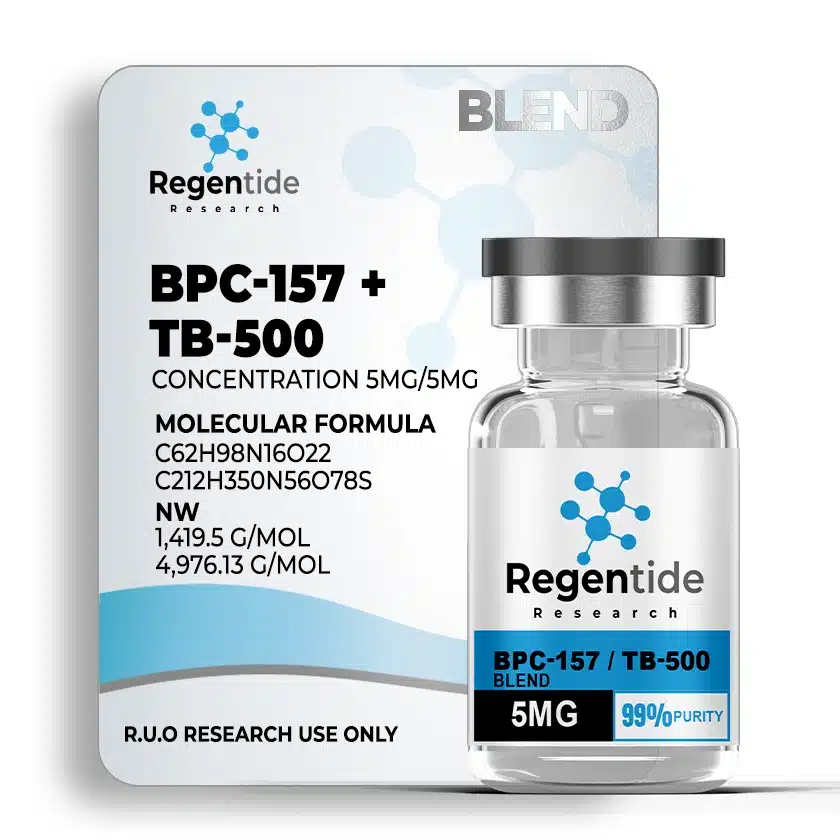
Corrections
Spot something wrong? Send it to the desk and it gets fixed in the open.